

The Future of Energy Conference
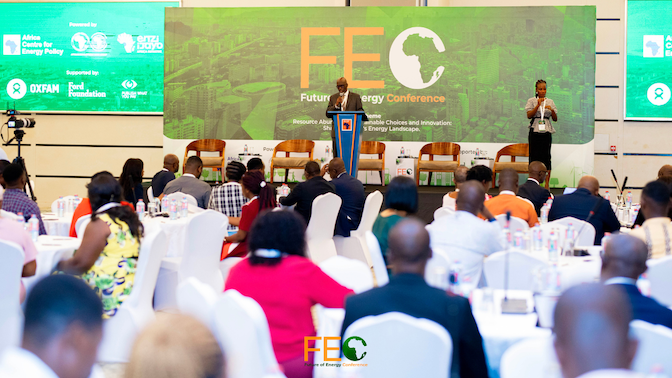
The Future of Energy Conference (FEC) is an annual platform to drive stakeholder collaboration towards an inclusive and sustainable energy future for Africa. It critically explores strategies to harness the untapped potential within the energy transition and the continent’s natural resources to address energy poverty and drive economic transformation.
The 2025 edition, held in Accra under the theme “Financing Africa’s Energy Future: Unlocking Investments for Energy Access and Economic Transformation,” convened policymakers, industry leaders, financiers, and civil society to explore strategies for bridging persistent energy access gaps and mobilising investments critical to economic transformation.
The Conference concluded that conventional donor-led approaches alone are insufficient. Unlocking Africa’s energy potential requires innovative financing mechanisms, strengthened policy coordination, and inclusion of domestic capital. The Conference also emphasised aligning energy strategies with industrial development, regional value chains, and equitable economic growth. Action points focused on de‑risking investment, enhancing governance, and operationalising sustainable energy solutions across the continent.
Building on the insights and commitments from 2025, the 2026 Future of Energy Conference evolves the agenda to address the structural drivers of energy costs, infrastructure readiness, and industrial energy competitiveness, ensuring that Africa’s value-addition and industrialisation ambitions are practically achievable.

FEC 2026 Theme
Powering Africa’s Industrial Transformation: Energy Systems for Value Addition and Competitiveness
Africa is at a critical juncture in the global energy and industrial transition. The continent is rich in minerals essential to renewable technologies, batteries, and green hydrogen. The Democratic Republic of the Congo and Zambia dominate cobalt and copper supply, while South Africa leads in platinum group metals for hydrogen fuel cells. Mozambique and Madagascar are key graphite suppliers. This resource position allows Africa to both export raw materials and to capture higher-value segments of global supply chains.
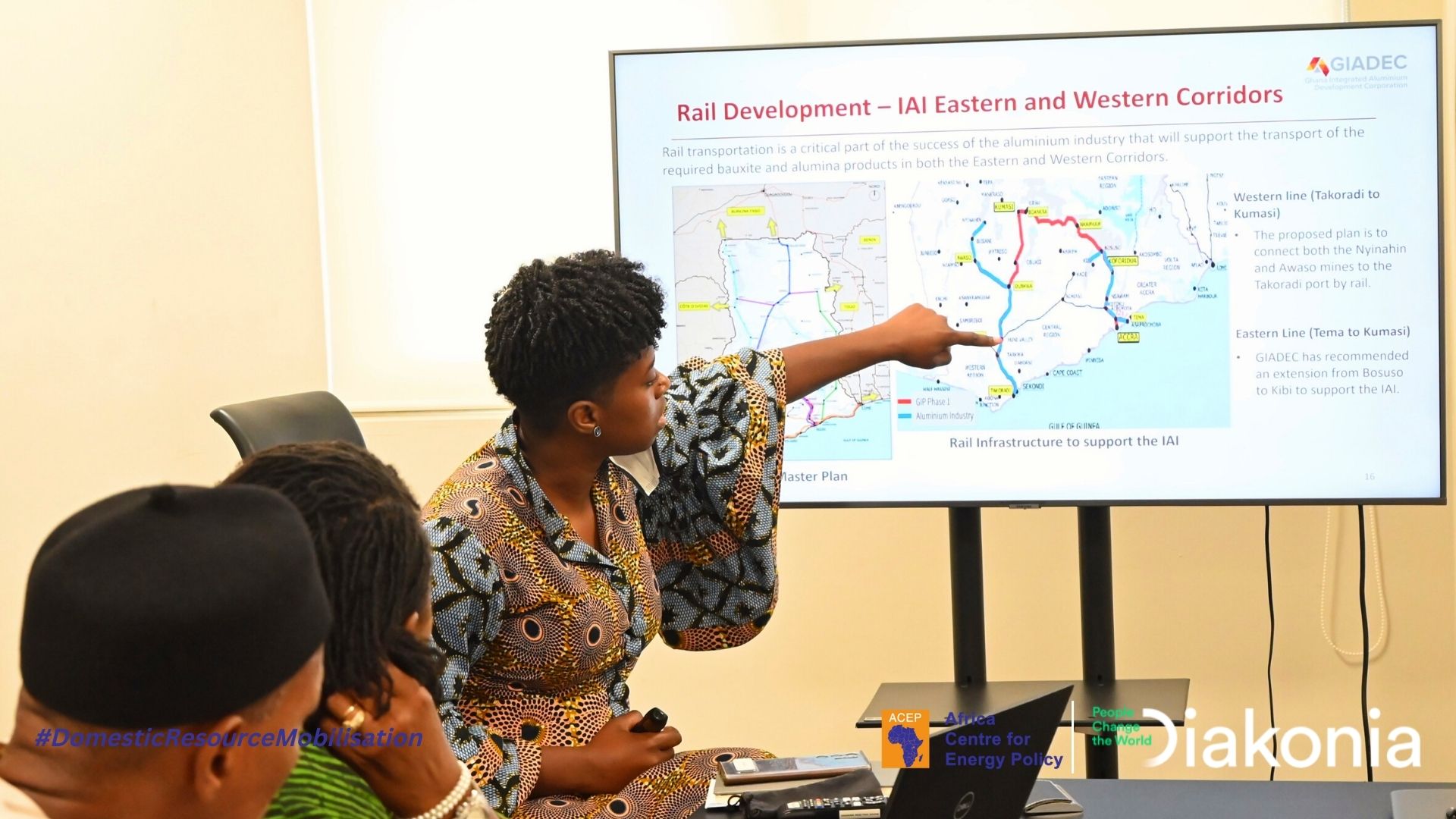
Several countries are moving from policy ambition to implementation: Zimbabwe has restricted raw lithium exports to encourage in-country processing; Namibia has announced beneficiation incentives; the Democratic Republic of the Congo and Zambia are jointly developing battery precursor and manufacturing hubs; and Ghana is advancing integrated aluminium production and exploring domestic lithium processing. In South Africa, green hydrogen industrialisation leverages platinum resources for both domestic and export markets. These initiatives reflect a continental commitment to capture value beyond raw exports.
However, industrialisation ambitions face a structural energy challenge. Energy-intensive processes such as aluminium smelting, copper and lithium production, and the refining of other minerals place significant demand on power systems, directly influencing the cost and competitiveness of Africa’s industrial output. This Africa’s electricity networks remain constrained: over 600 million people lack access, utilities are financially fragile, transmission infrastructure is limited, and industrial tariffs often exceed those of peer emerging markets. Structural factors including legacy power agreements, fuel import dependence, transmission losses, and high financing costs further exacerbate these challenges, threatening to undermine efforts to capture greater value from the continent’s mineral and industrial resources.
Technology and regional integration offer potential solutions. Solar, wind, hydro, and gas can provide competitive supply if strategically deployed alongside storage, hybrid systems, and regional power pool integration. Yet policies and infrastructure investments remain fragmented, often developed in isolation from industrial or mineral development strategies. Resolving these gaps is essential to ensure that Africa’s value addition policies translate into operational and economic impact.
The primary objective of the Future of Energy Conference 2026 is to examine the structural drivers of energy cost, Africa’s infrastructure readiness and industrial energy competitiveness to ensure that Africa's value addition and industrialisation ambitions are practically achievable.
The 2026 Future of Energy Conference seeks to:
- Assess Africa’s readiness to power industrial-scale value addition and mineral beneficiation.
- Examine structural drivers of industrial energy costs and propose actionable reform pathways.
- Identify scalable infrastructure and technology solutions capable of delivering reliable, competitive power.
- Strengthen alignment between industrial, energy, and mineral policies for practical implementation.
- Generate actionable recommendations for governments, utilities, investors, and regional institutions.
- A policy framework to reduce industrial energy costs while maintaining utility sustainability.
- Recommendations for integrated energy planning aligned with industrial and mineral development strategies.
- Identification of priority infrastructure investments to power industrial corridors and beneficiation hubs.
- Strengthened cross-sector dialogue among energy, mining, finance, and trade actors.
- A post-conference policy reform to guide actionable implementation.
1. The Economics of Power: Understanding Africa’s Energy Cost Structure
Industrial competitiveness is fundamentally shaped by the cost and reliability of electricity. This requires a shift from planning energy systems for access alone to designing them explicitly for industrial competitiveness, cost efficiency, and scale. This theme analyses the structural drivers of energy cost, including tariff design, generation mix, financing costs, fuel exposure, and system inefficiencies including losses associated with gas flaring and methane leakage in gas-to-power systems. It will benchmark African industrial against global peers, and propose reforms to balance industrial competitiveness, household affordability, and utility sustainability.
2. Energy Systems and Industrial Readiness
Industrialisation is not only constrained by the cost of power, but also by the ability of energy systems to physically support large-scale, continuous demand. This requires an examination of the ability of current and planned systems to meet the scale, stability, and load requirements of industrial production. This theme assesses system readiness, focusing on generation adequacy, transmission capacity, reserve margins, and grid stability across Africa. It will examine whether existing and planned systems can support industrial demand across sectors including manufacturing, mineral processing, and emerging industries.
3. Technology Pathways for Competitive Industrial Energy
Africa’s energy landscape combines vast renewable potential with substantial natural gas resources, providing a strong foundation for competitive power systems. However, translating this potential into industrial-grade electricity depends on effective system design, technology integration, and alignment with demand. This theme focuses on how different technology configurations can deliver industrial-grade electricity. It will examine least-cost pathways across renewables, gas, storage, and hybrid systems, with emphasis on system integration, scalability, and reliability. Rather than technology promotion, the focus will be on fit-for-purpose system design that balances cost, stability, and transition objectives.
4. Regional Integration and Energy Trade
National systems alone may not deliver the scale or cost efficiency required for industrialisation. Emerging cross-border initiatives, including renewable energy projects in Tunisia designed to supply electricity to Italy, demonstrate that large-scale power trade is feasible. The key challenge is why such optimisation remains limited within Africa. This theme examines opportunities through the African Continental Free Trade Area and existing regional power pools to optimise generation resources, aggregate industrial demand, harmonise regulations, and reduce costs while enabling cross-border industrial corridors.
Innovation Challenge
Step into the Innovation Challenge, a dynamic space at the Future of Energy Conference 2026, designed to connect Africa’s brightest minds with key stakeholders. This platform invites entrepreneurs, researchers, and industry professionals to pitch and showcase groundbreaking energy solutions – from renewable technologies and smart grids to innovative financing models. Over two days, finalists will present their ideas to expert judges and a diverse audience of policymakers, investors, and industry leaders. The challenge aims to identify and support transformative innovations that enhance energy access, reliability, efficiency, and sustainability across Africa. Winner(s) will receive recognition, mentorship, and potential funding support to bring their solutions to market. Join us to witness the future of energy innovation and be part of the collaborative movement driving Africa’s energy transformation.
The Innovation & Investment Arena
Experience the future of energy at our interactive exhibition space. The innovation and investment arena creates the platform to connect key stakeholders – investors, policymakers, and innovators – showcasing scalable clean energy technologies, emerging investment opportunities, and transformative business models. The platform will facilitate knowledge exchange and address information asymmetry among key stakeholders. The arena will empower attendees with critical insights, foster strategic partnerships, and drive informed decision-making to unlock scalable and sustainable energy investments across Africa.
Side Events
Side events are partner-led, interactive sessions designed to complement and extend the main conference discussions. Convened by partner institutions, development partners, governments, agencies, and sector specialists, these events provide a platform to delve deeper into plenary themes and broader Conference focus, offering practical insights, technology demonstrations, and drive targeted actionable policy dialogue. The side events leverage partner expertise and align with plenary discussions to ensure that conference dialogues translate into actionable strategies, collaborative partnerships, and practical interventions that advance Africa’s energy access, industrial competitiveness, and sustainable development objectives.
How the Conference will Unfold
FEC 2026 is structured around three broad categories: plenary sessions, side events, and exhibitions over two days. The plenary sessions are interspersed with keynote speeches, paper presentations, expert submissions, and panel sessions on issues focused on the theme. Further, there are parallel side events after the opening plenary by partners and other like-minded institutions across various sectors, including governments, the private sector, academia, CSOs, multilateral institutions etc. Topical discussions at these events would stem from the varying sub-themes of the Conference that contribute to achieving the overall objective. Each day will be crowned with the innovation challenge where contestants pitch their innovative energy solutions. The winner(s) would be announced at the closing ceremony of the Conference on Day 2. The Conference also provides a platform for the exhibitions of innovative energy solutions and products from startups, small and medium-scale businesses, academia, and other research institutions across the value chain. Dubbed “The Innovation and Investment Arena”, it creates the platform to bring together innovators, research and development, investors, and industry leaders to interface and foster partnerships. The objective is to nurture interests, shed light on innovative solutions and scale up investments in Africa’s R&D to generate home-grown energy solutions.